Nordic Boat & Sailing Guide
Explore boat types, sailing ideas, onboard essentials, maintenance basics and the practical side of life on the water.
Vessel Characteristics
Understanding Boat Types
From traditional wooden crafts to modern sailing yachts, familiarising yourself with different hull shapes and propulsion methods helps in understanding how various boats interact with Nordic waters.
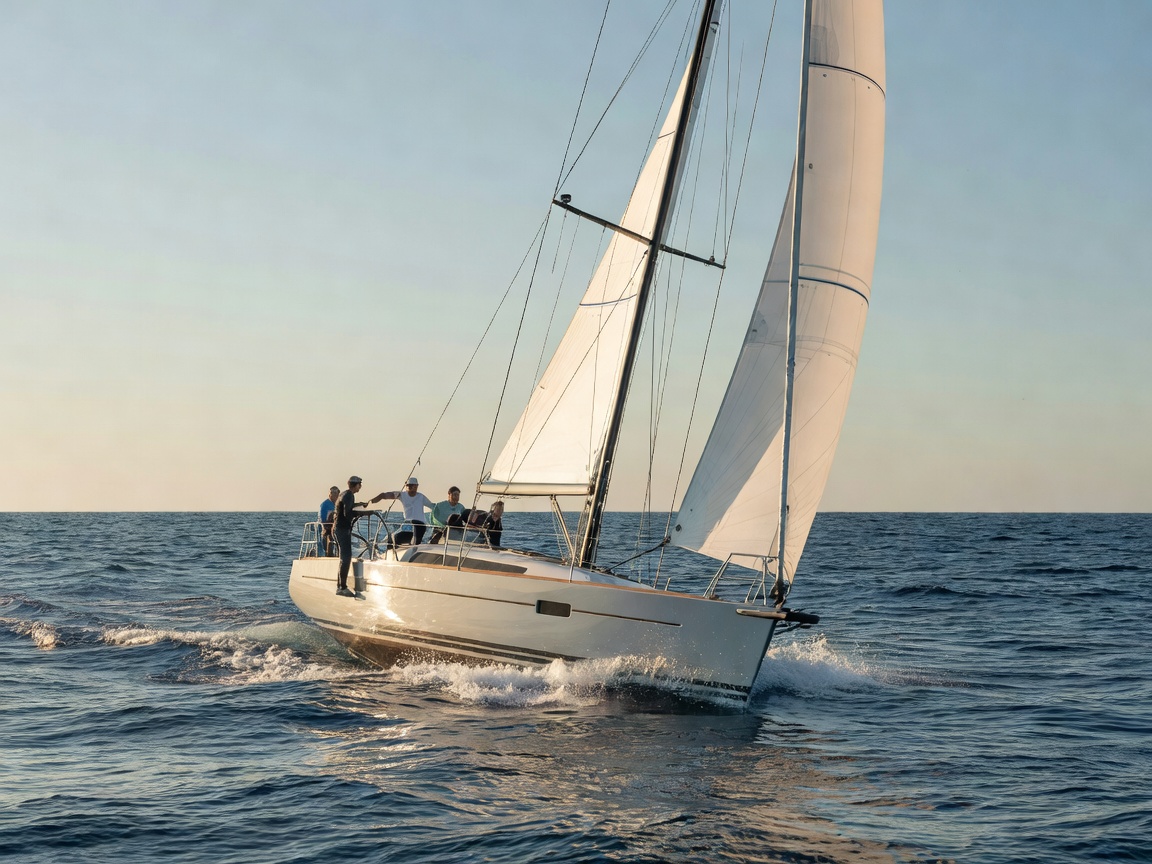
Sailing Yachts
Sailing yachts represent the traditional heart of maritime culture, harnessing the wind to navigate coastal waters. Distinguished by deep keels for stability and intricate rigging systems, they offer unparalleled tranquillity without constant engine noise. Below deck, modern yachts feature essential living quarters, making them ideal for prolonged journeys.
View Details →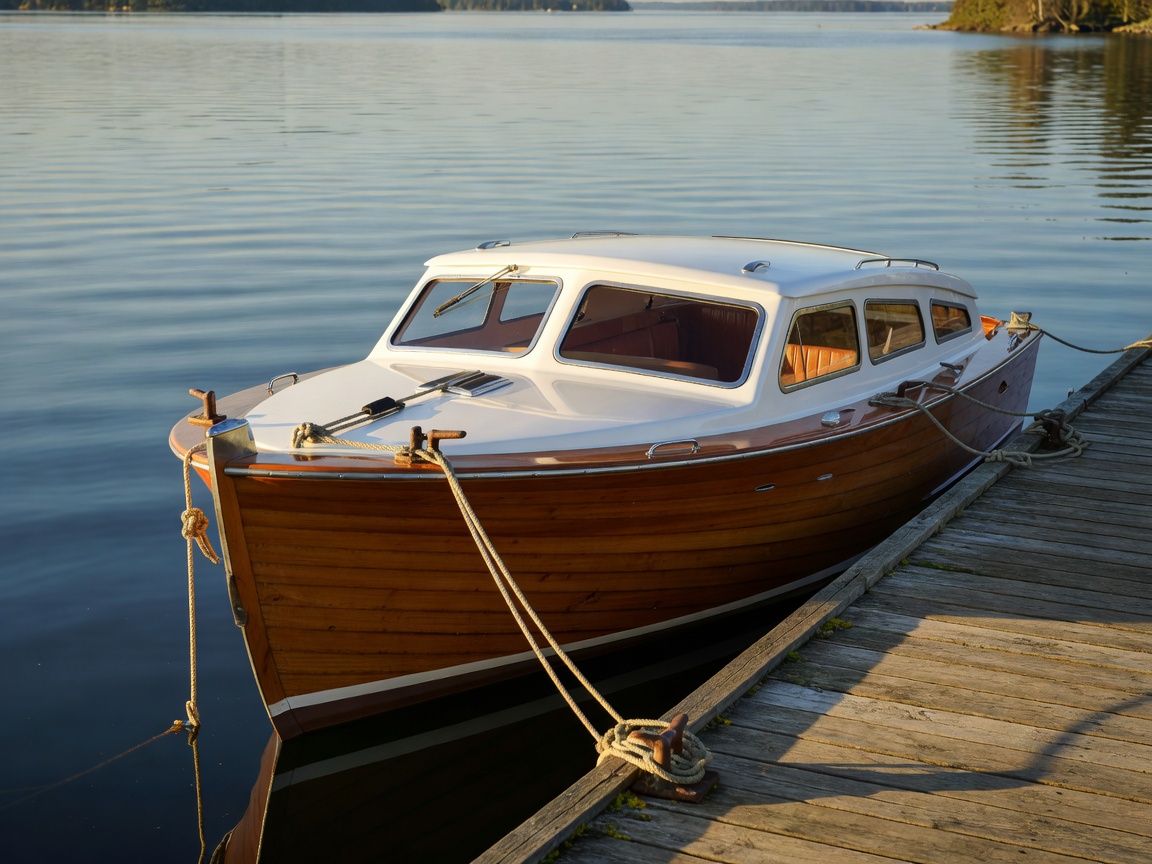
Cabin Cruisers
Cabin cruisers are the quintessential choice for extended stays on the water, blending the mobility of a motorboat with the comforts of a small floating home. They typically feature sheltered helms, galleys, and sleeping berths, providing protection against sudden Nordic weather changes during archipelago exploration.
View Details →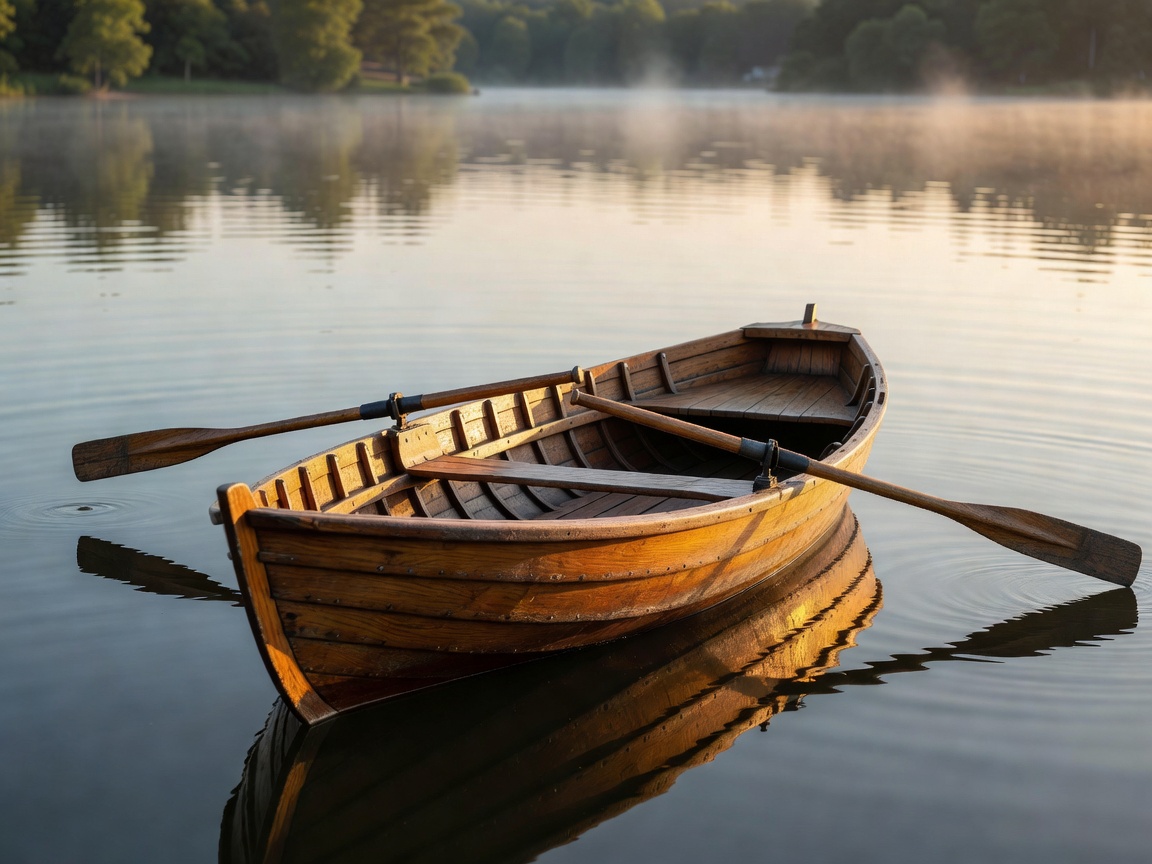
Wooden Boats
Wooden boats are deeply woven into the fabric of Nordic heritage. Ranging from small rowboats to clinker-built sailboats, they require dedicated annual maintenance to preserve their hulls. The reward is a visually stunning vessel that rides through the water with a unique, organic grace.
View Details →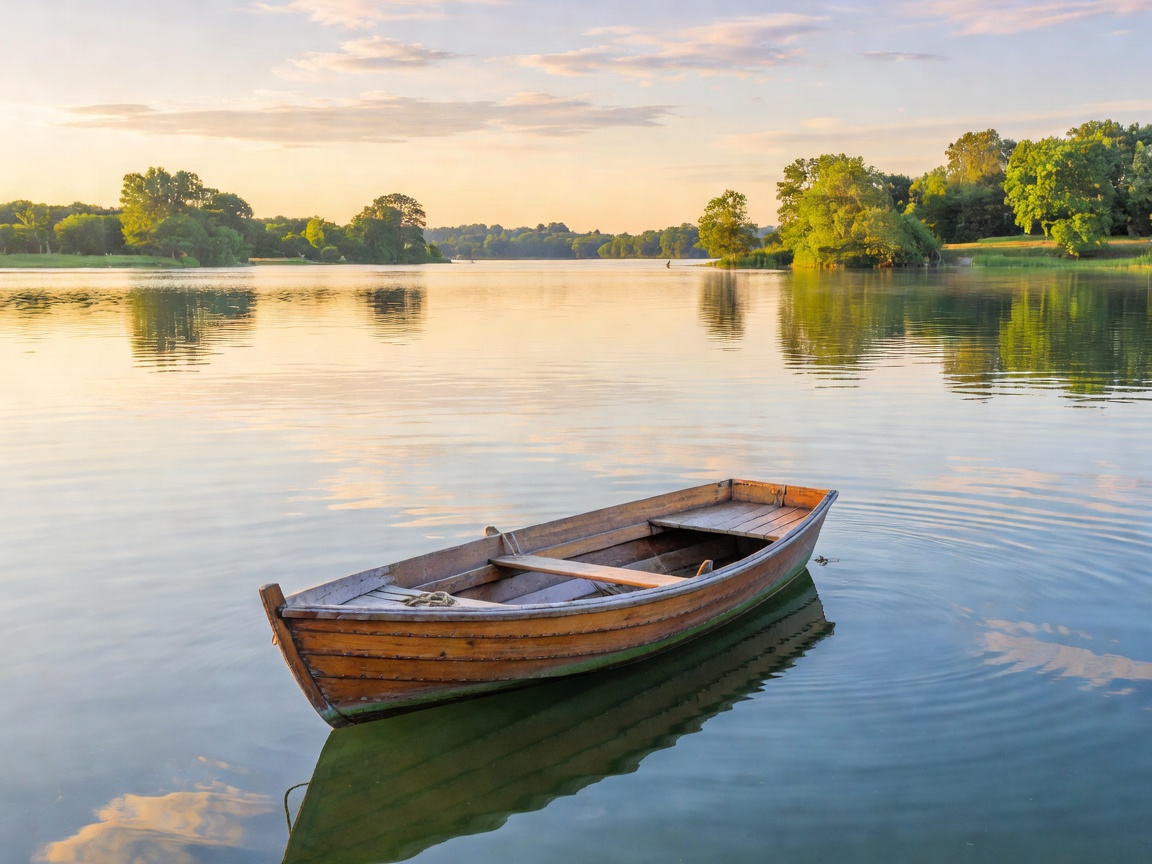
Day Boats
Designed for short excursions, day boats prioritise open deck space and seating over interior cabin volume. They are perfect for spontaneous trips to nearby islands, fishing outings, or simple harbour cruising, offering straightforward handling and easy mooring.
View Details →Interactive Guide
Which Boat Fits the Trip?
Select an outing type below to read general considerations regarding vessel suitability. (Informational purposes only).
Quiet Lake Trips
For calm inland waters, stability and ease of use are paramount. Small lake boats, rowing boats, or electric boats offer silent cruising, allowing you to enjoy the natural surroundings without disturbing the peace. Consider shallow drafts for exploring small inlets.
Harnessing the Wind
The Fundamentals of Sailing
Sailing is a continuous dialogue with nature. It requires an understanding of how wind interacts with the sails and how the hull moves through the water. From reading the ripples on the surface to executing a smooth tack, mastering the basics transforms a boat journey into an engaging pursuit.
We cover general educational concepts, including preparing for departure, basic sail handling, and returning safely to shore. Remember that practical instruction from qualified professionals is essential before taking command of a vessel.
Explore Sailing →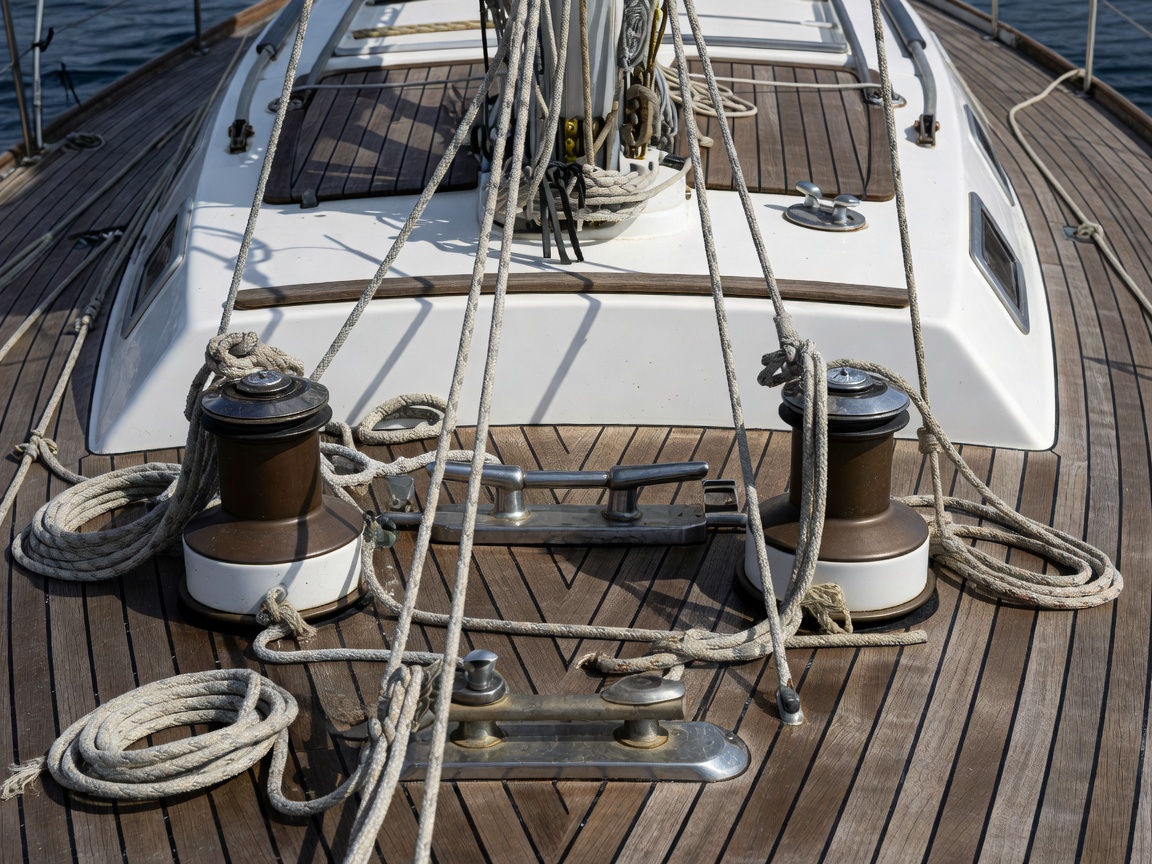
Practicalities
Life Onboard
Living on a boat, even for a weekend, requires adaptation. Space is finite, and organisation is critical. From managing cabin comfort and cooking in a compact galley to ensuring secure storage and weather protection, adapting to the maritime environment is part of the experience.
Explore Onboard Life →Preparedness
Boat Equipment
A well-equipped boat is a safer boat. Understanding the purpose of navigation lights, anchoring equipment, mooring lines, fenders, and bilge systems is fundamental for any boater. Always carry essential first-aid and emergency communication gear tailored to your cruising area.
Explore Equipment →Vessel Upkeep
Boat Maintenance Basics
Regular maintenance protects the vessel from the harsh marine environment. High-level care includes hull cleaning, visual engine checks, battery care, and inspecting ropes and deck hardware.
Note: Always follow the manufacturer's instructions and seek qualified assistance for mechanical repairs when necessary.
Finding the Way
Navigation & Nordic Waters
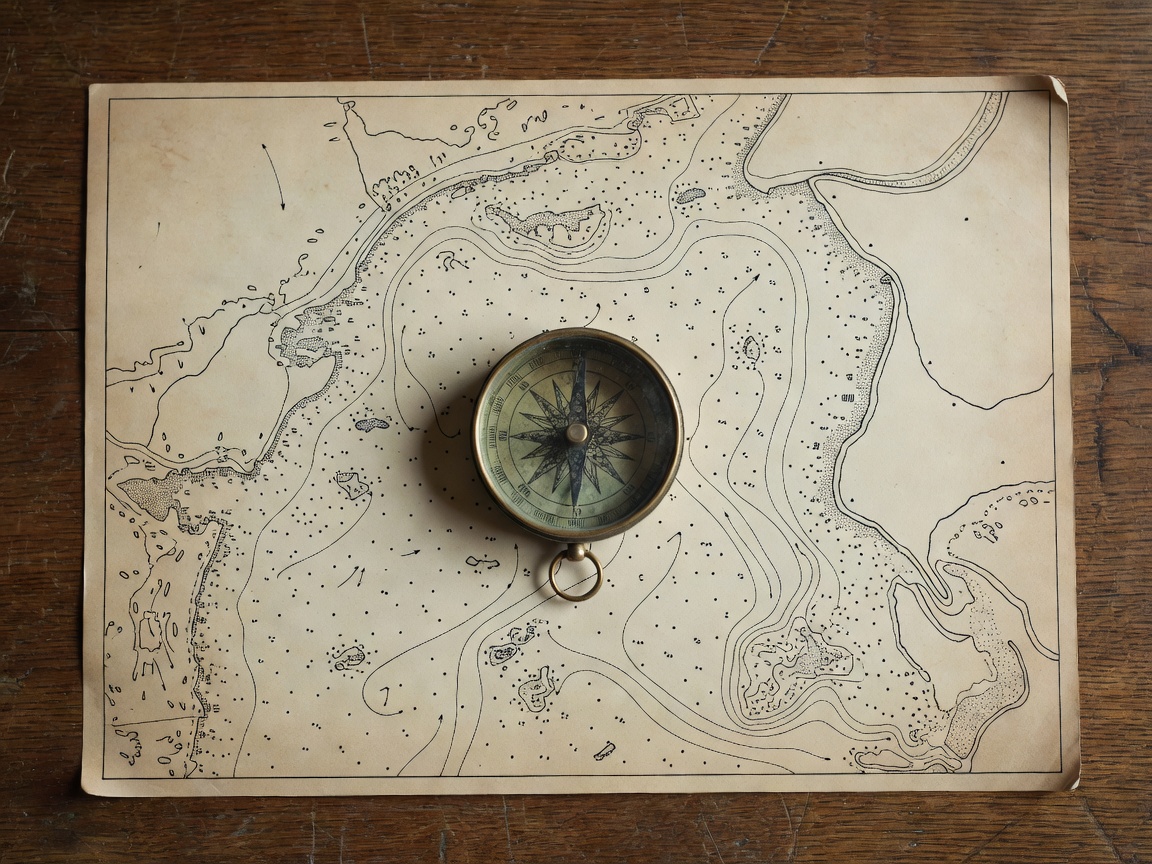
Navigating the complex archipelagos and vast lakes of the Nordic region demands respect for the environment. While GPS provides immediate positioning, understanding traditional nautical charts, compass use, and buoy systems remains a critical maritime skill.
Conditions in coastal waters differ vastly from sheltered bays and river routes. Boaters must constantly assess weather awareness and plan routes accordingly. Check current official navigation information and local rules before setting out.
The Boating Year
Seasonal Boating
Spring
The season of preparation. Focus is on un-winterising, hull polishing, antifouling, and getting systems ready for the water.
Summer
Long daylight hours allow for extensive lake cruising and sailing. Focus shifts to route planning and onboard enjoyment.
Autumn
Changing conditions bring quieter waterways. Navigation requires extra care as weather fronts become more unpredictable.
Winter
Boats are lifted from the ice-prone waters. Focus is on thorough winter storage, protection, and maintenance planning.
Before Departure
Interactive Boating Checklist
A general guide to essential checks before leaving the mooring. (Click items to check off).
- Life jackets for all onboard
- Navigation equipment (Charts/GPS)
- Latest weather forecast checked
- Sufficient fuel or battery power
- Mooring lines in good condition
- Fenders secured and ready
- Communication equipment working
- First-aid supplies fully stocked
- Emergency equipment accessible
- Required documents onboard